The Gut-Brain Connection: How Probiotics and Prebiotics May Support Your Mental Health
A primary care physician's honest look at what the science really shows about probiotics, prebiotics, and mental health — and practical steps you can use this week.
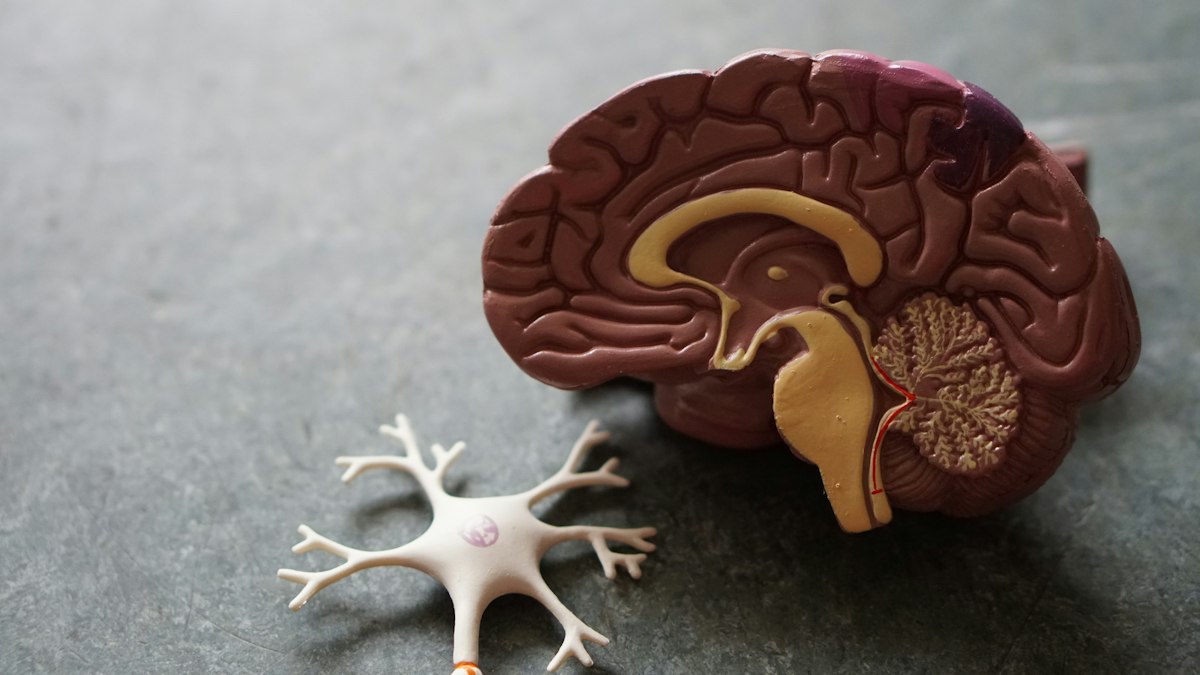
If you've ever felt "butterflies" before a big presentation or lost your appetite during a stressful week, you've already experienced the gut-brain connection firsthand. What's changed in the last decade isn't the existence of that connection — it's how much we now understand about it, and how a whole class of interventions built around your gut microbiome may offer real support for anxiety and depression symptoms.
As your primary care physician, I want to walk you through what the science actually shows, what it doesn't (yet), and how you can put this information to practical use — without falling for the oversimplified claims you'll see on a supplement bottle.
What Is the Gut-Brain Axis?
The gut-brain axis is the two-way communication network linking your digestive system and your central nervous system. It runs through several channels working together:
- The vagus nerve, a direct physical cable carrying signals between your gut and your brainstem
- The HPA (hypothalamic-pituitary-adrenal) axis, your body's central stress-response system
- Immune signaling, since a large share of your immune system lives in your gut lining
- Short-chain fatty acids (SCFAs), byproducts of bacterial fermentation that influence inflammation and brain function
- Neurotransmitter production, since gut bacteria help metabolize precursors involved in making serotonin and GABA — two chemicals central to mood regulation
Roughly 90-95% of your body's serotonin is produced in the gut, not the brain. That single fact reframes how we should think about mood: your digestive tract isn't just downstream of your emotional state, it's an active participant in it.
Probiotics, Prebiotics, and Synbiotics: What's the Difference?
These terms get used loosely, so let's define them clearly:
Probiotics are live beneficial bacteria — found in fermented foods like yogurt, kefir, sauerkraut, and kimchi, or taken as supplements — that add helpful microbial species to your gut.
Prebiotics are types of fiber your body can't digest but your gut bacteria can. Found in foods like garlic, onions, asparagus, bananas, and oats, prebiotics act as fuel that helps the beneficial bacteria you already have thrive.
Synbiotics combine the two — probiotics and prebiotics together — on the theory that supplying both the bacteria and their food source produces a more durable effect than either alone.
Think of it like seeding a garden (probiotics) and then fertilizing the soil (prebiotics) so what you planted actually takes root.
What Does the Research Actually Show?
This is where I want to be careful with you, because the honest answer is more nuanced than most wellness content lets on.
Multiple systematic reviews and meta-analyses published through 2025 and into 2026 have looked specifically at whether these interventions reduce depression and anxiety symptoms. The overall picture:
Probiotics have the most consistent evidence. Several recent reviews report a small-to-moderate benefit for depressive symptoms specifically, and the mechanistic case — via the vagus nerve, HPA axis modulation, inflammatory pathways, and SCFA production — is well supported by basic science.
Prebiotics and synbiotics have weaker, more inconsistent evidence. A 2026 umbrella review concluded that while probiotics show a signal of benefit, the same could not be said with confidence for prebiotics and synbiotics — the trials are too heterogeneous and the effect sizes too variable to draw firm conclusions yet.
Anxiety outcomes are murkier than depression outcomes. Some meta-analyses have found no statistically significant benefit for anxiety symptoms specifically, even when depression outcomes improved.
Study quality remains a real limitation. Nearly every major review flags high heterogeneity between trials — meaning studies use different bacterial strains, different doses, different durations, and different populations, which makes it hard to say "probiotics work" as a blanket statement. What we can say is that specific strains, at specific doses, for specific conditions, show promise — and research is actively narrowing in on which ones matter most.
None of this means the gut-brain axis approach is unproven nonsense. It means it's a genuinely promising, still-maturing area of medicine — similar to where we were with the evidence on exercise and depression twenty years ago. I'd rather give you that accurate picture than an inflated one.
Practical Takeaways You Can Use This Week
Given where the evidence currently stands, here's how I'd think about applying this in real life:
1. Prioritize food first. Fermented foods (yogurt with live cultures, kefir, sauerkraut, kimchi, miso) and fiber-rich plants (garlic, onions, leeks, oats, legumes, bananas) give you a broad spectrum of probiotic and prebiotic exposure without the variability of a single supplement strain. Diversity of plant fiber intake is one of the strongest predictors of a healthy, diverse microbiome.
2. If you try a supplement, be specific. "Probiotics" isn't one thing — it's shorthand for dozens of different bacterial species and strains. If you're considering a supplement for mood support, look for products that specify the strain (not just "Lactobacillus," but which specific strain), since research suggests effects are strain-dependent, not universal to the whole category.
3. Give it real time. Meaningful shifts in gut microbiome composition typically take several weeks of consistent intake, not days. Most clinical trials showing benefit ran 4-8 weeks minimum.
4. Don't treat this as a replacement for established care. For moderate to severe depression or anxiety, gut-focused interventions should be viewed as a complement to — not a substitute for — therapy, medication when indicated, sleep, exercise, and social connection. This is an emerging adjunct, not a standalone treatment.
5. Watch how you personally respond. Some people notice a genuine shift in mood, energy, or digestive comfort within a few weeks of dietary changes. Others notice nothing. Your gut microbiome is as individual as your fingerprint, which is part of why the research is so heterogeneous in the first place.
Why This Matters for How I Practice Medicine
I bring this topic up because it's a good example of the kind of medicine I want to practice with you: evidence-based, but not evidence-worshipping to the point of ignoring genuinely promising, patient-relevant tools just because the data isn't perfectly clean yet. Gut health sits at the intersection of nutrition, mental health, and chronic disease prevention — three things that don't get enough dedicated time in a rushed 15-minute visit.
If you're dealing with mood symptoms, digestive issues, or both, that's exactly the kind of conversation that benefits from the unhurried time a Direct Primary Care visit allows. We can look at your diet, your symptoms, and your history together, and figure out what's actually worth trying for you — rather than guessing from a supplement aisle.
The Bottom Line
The gut-brain axis is real, biologically well-established, and increasingly relevant to how we think about mental health. Probiotics show the most encouraging evidence for depressive symptoms specifically; prebiotics and synbiotics show promise but need more research before we can make strong claims. Food-based approaches are a low-risk, high-upside place to start for almost everyone, and they pair naturally with the other pillars of good mental health care.
This article is for educational purposes and isn't a substitute for personalized medical advice. If you're experiencing symptoms of anxiety or depression, please reach out — we're here to help you sort through what's actually worth trying.
Important Medical Disclaimer
The information provided in this article is for educational and discussion purposes only and does not constitute medical advice. Before implementing any changes to your health, diet, or treatment plan, please consult with your healthcare provider.
About Frontier Clinic
Veteran-Owned Direct Primary Care in South Carolina
Frontier Clinic is a veteran-owned direct primary care practice serving patients in Orangeburg, SC. Our mission is simple: affordable, accessible healthcare with a doctor who knows your name — no insurance middleman, no surprise bills. Articles on this blog are reviewed by our clinical team for medical accuracy.
Learn more about us →Related Articles
PTSD and Physical Health: Why Your Primary Care Doctor Should Know Your History
PTSD isn't just psychological — it has measurable effects on cardiovascular health, sleep, pain, digestion, and immunity. Here's why your primary care doctor needs to know your trauma history.
Mental Health Matters: Resources, Stress Tips, and Support from Frontier Clinic in Myrtle Beach
Whether you're managing daily stress, facing anxiety or depression, or simply seeking ways to boost your emotional well-being, Frontier Clinic in Myrtle Beach is here to help.
Primary Care's Role in Mental Health: A Guide for Patients
Learn how primary care physicians play a crucial role in identifying, diagnosing, and treating mental health conditions like depression, anxiety, and insomnia.